
Our Products
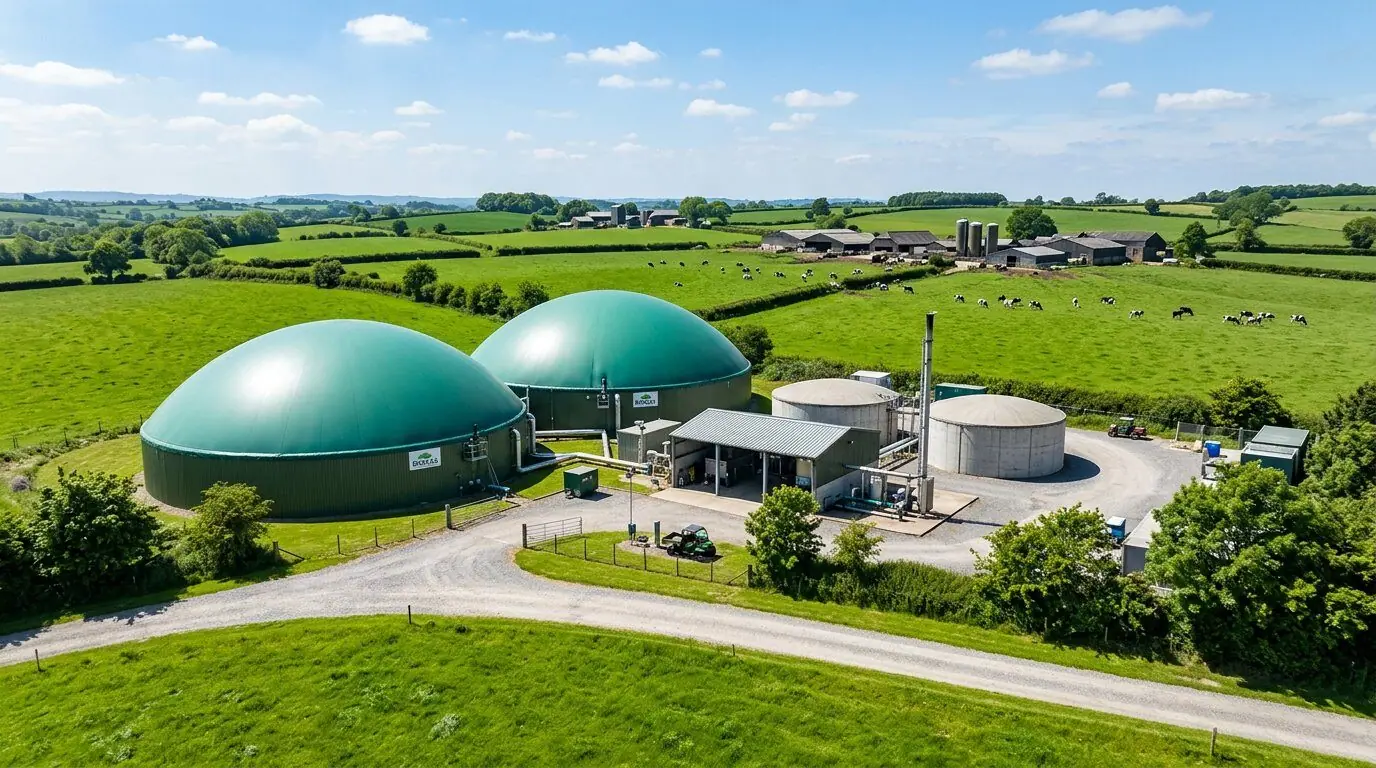
Biogas Plant Solutions
Microbial solutions for anaerobic digestion & renewable energy
Inside every biogas plant, a delicate community of acid-forming and methane-forming microbes converts organic matter into biogas. When this balance slips, plants turn acidic, foaming starts and gas production crashes.
Our biogas biocultures — balanced consortia of hydrolytic, acetogenic and methanogenic bacteria — restore and maintain digester health, speed up start-up, buffer pH swings and push gas yield higher from the same feedstock.
Key Benefits
- Up to 20–30% higher biogas yield from the same feed
- Faster plant commissioning and start-up
- pH stabilisation and prevention of digester souring
- Reduced foaming and scum layer formation
- Better digestion of fibrous and fatty feedstocks
- Improved digestate quality for use as bio-manure
How It Works
Our Process
Digester Health Audit
We review feedstock, loading rate, pH, VFA/alkalinity ratio and gas generation patterns.
Culture Strategy
Start-up inoculation or corrective dosing plan is prepared for your digester type and volume.
Controlled Dosing
Cultures are introduced at defined rates to rebuild the methanogenic population without shocking the system.
Performance Tracking
Gas flow, pH and VFA trends are monitored as the digester returns to stable, high-yield operation.
Maintenance Dosing
A light recurring dose schedule keeps the microbial community at peak performance.
Applications
- Dairy and cattle farm biogas plants
- Community and household digesters
- Industrial food & agri-waste digesters
- Biogas-based electricity and CBG projects
- Sewage sludge digesters
- Kitchen waste-fed institutional plants
Frequently Asked Questions
Yes. This is one of the most common problems we solve. Corrective dosing with pH-buffering methanogenic cultures, temporary load reduction and monitoring typically restores stable gas production within a few weeks.
Cattle dung, poultry litter, food waste, vegetable market waste, crop residues, dairy effluent and sewage sludge. Mixed feedstocks are very common and handled well with the right consortia.
Yes — we offer recurring dosing plans and periodic digester health reviews so plants continue producing at their potential rather than declining over time.
Explore Other Products
All solutionsPartner With Us